

Solar Sizing Calculator
Solar is the easiest way to stay powered up while camping, touring, or living off-grid - but choosing the right panel size can feel like guesswork. Our Solar Sizing Calculator estimates how many watts of solar you’ll need each day based on your daily energy use, sun hours, and real-world losses like heat, regulator efficiency and panel angle.
Whether you run a fridge full-time, charge camera gear, power Starlink or just want reliable lights at camp, this calculator gives you a practical starting point for planning your 12V/24V setup. Enter a few details and you’ll get an instant estimate - plus solar options that match how you actually travel.
Solar Sizing Calculator
Estimates are a planning guide. Output varies with shading, panel angle, temperature, regulator type, and seasonal sun hours.
Solar panels that match your results
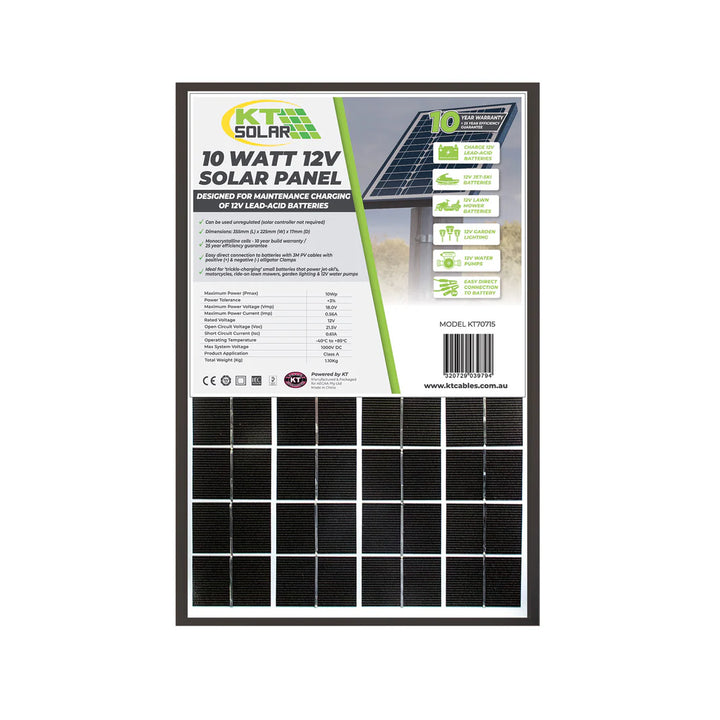
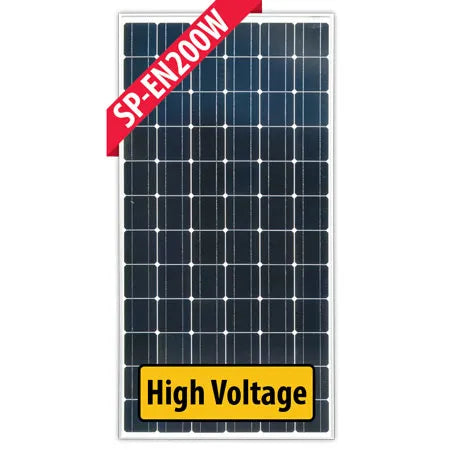
Based on your inputs, here are solar options that suit your use case. Not sure? Give us a call and we'll help confirm the right fit.



How to use this calculator
- Choose your input type. Enter either Ah/day (common for 12V setups) or Wh/day (more universal). If you’re not sure, many people start with Ah/day.
- Select system voltage. Choose 12V for most 4WD/camping setups, or 24V if your system is built that way.
- Enter Peak Sun Hours (PSH). This is the effective sunlight per day your panels can produce near their rated output. A rough guide in Australia is often 4–5 hours on average - but it changes by season and location.
- Set Solar Efficiency (%). This accounts for real-world losses (heat, wiring, regulator, panel angle, shading). A practical default is 75%.
- Add a reserve margin (%). This is your safety buffer so you’re not running on the limit (e.g. 15%).
- Select mount type. Portable panels often need a little extra headroom because they move around, get shaded more easily, or don’t sit at the perfect angle. Fixed roof panels are usually more consistent.
- Pick your trip style. Weekend / Touring / Off-grid helps match you to the right tier of solar options.
What you’ll see:
- Daily energy use (Wh/day) - your estimated energy demand.
- Energy to replace (Wh/day) - daily energy plus your reserve (and mount headroom for portable).
- Estimated solar needed (W) - the panel wattage required to replace that energy each day.
- Approx. charge potential (A) - a quick reference for what that wattage looks like in charging current at your chosen voltage (ideal conditions).
Quick example
Let’s say you use 60Ah/day on a 12V system:
- Daily energy ≈ 60 × 12 = 720Wh/day
- PSH = 4.5, Efficiency = 75%, Reserve = 15%, Mount = Portable
- Your estimate will generally land around the 250–350W range depending on conditions
Tips for getting more from your solar
- Avoid shade: even partial shading can significantly reduce output.
- Angle matters: tilting panels toward the sun can noticeably lift performance.
- Use MPPT where appropriate: MPPT regulators often harvest more energy than PWM, especially in less-than-ideal conditions.
- Be realistic in summer: heat reduces panel output - and fridges work harder in hot weather.
- Balance with battery capacity: solar replaces energy daily; batteries store it. If you’re frequently off-grid, you usually want both sized sensibly.
If you’d like help confirming the right panel, regulator, and battery combination, drop into Battery Force or contact us online - we’ll help you build a setup that performs in real WA conditions.
Shop solar gear
-
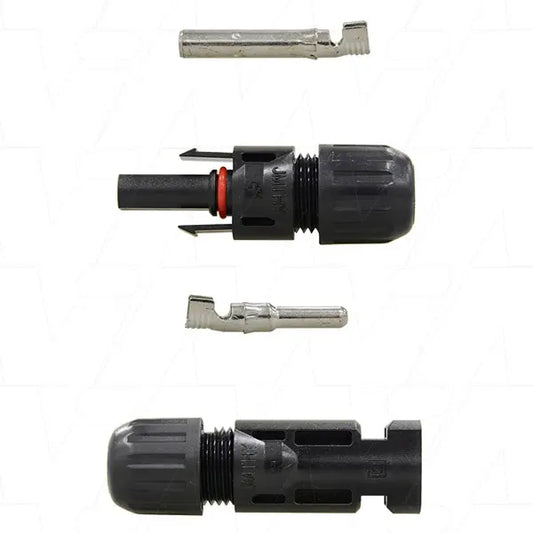
MC4 Solar Connector Pair – 1 x Male, 1 x Female
Regular price $16.95 AUDRegular priceUnit price per -
50AMP 12-48V Heavy Duty Connector
Regular price $16.95 AUDRegular priceUnit price per -
EcoFlow RIVER 2 Pro Portable Power Station - 768Wh Lithium Power
Regular price $600.00 AUDRegular priceUnit price per$899.00 AUDSale price $600.00 AUDSold out -
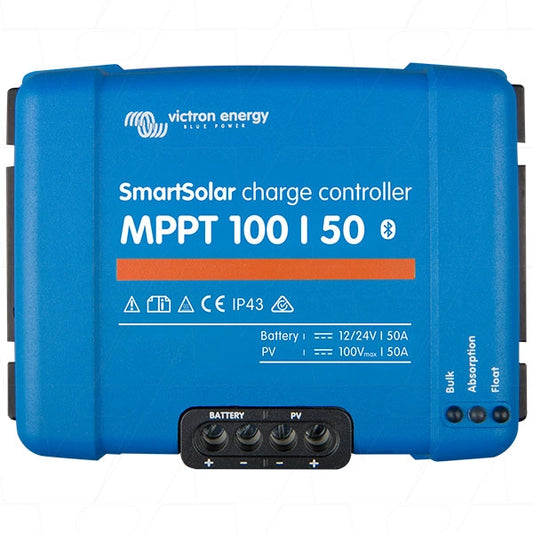
SmartSolar MPPT 100/50 Solar Charge Controller
Regular price $348.95 AUDRegular priceUnit price per